
Traditional Food in Abruzzo: A Taste of Local Cuisine and Culinary Traditions
Abruzzo is a region best discovered one bite at a time.
Between the Adriatic Sea and the Apennine Mountains, its food tells stories of shepherds, farmers, fishermen and families who have passed down recipes for generations.
For travellers looking to experience authentic Italian food beyond the most famous destinations, Abruzzo offers a remarkable variety of flavours. Handmade pasta, slow-cooked lamb, grilled meat skewers, mountain cheeses, fresh seafood and traditional sweets all reflect the diversity of this central Italian region.
But discovering Abruzzo's cuisine is about more than knowing what to order in a restaurant. It is also about meeting the people who make its food, visiting local producers and understanding the traditions behind every dish.
Here are some of the traditional foods and culinary experiences worth discovering during a trip to Abruzzo.
1. Arrosticini: The iconic taste of Abruzzo
If there is one food that has become a symbol of Abruzzo, it is arrosticini.
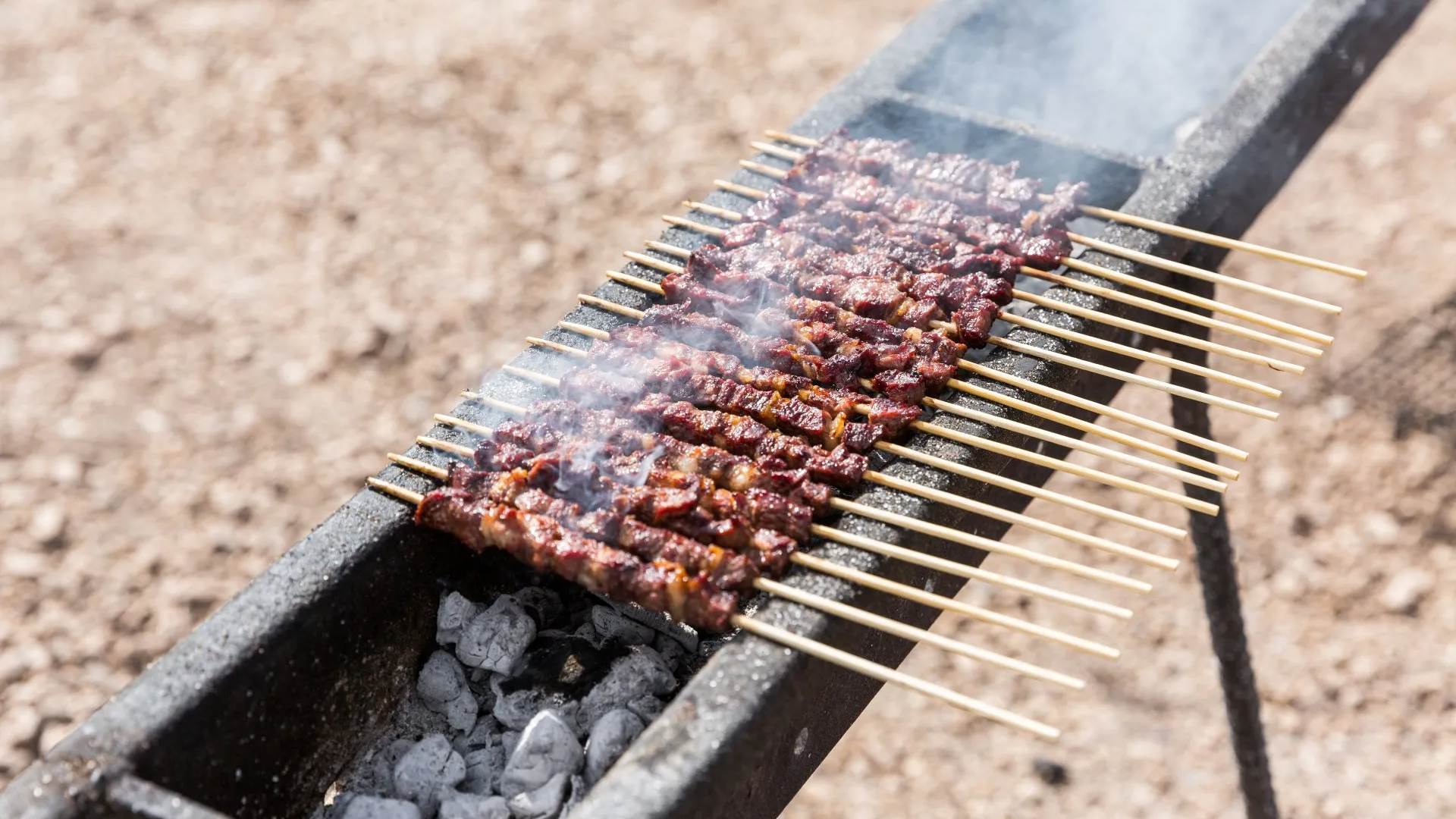
These small skewers of sheep meat are traditionally cooked over a long, narrow charcoal grill called a canalina. Their origins are linked to the pastoral communities living around the foothills of the Gran Sasso, where shepherds developed simple ways to prepare and enjoy sheep meat.
Arrosticini are usually served hot, often accompanied by slices of homemade bread, olive oil and a glass of local red wine.
The best way to enjoy them is to take your time, share them around the table and experience the convivial atmosphere that is such an important part of Abruzzese food culture.
For a deeper connection with this tradition, you can discover an Arrosticini Experience in Villa Celiera, an opportunity to explore one of the dishes most closely associated with the region.
2. Spaghetti alla chitarra: Handmade pasta with a distinctive shape
Pasta is central to Italian food culture, and Abruzzo has its own distinctive tradition.
One of its best-known specialities is spaghetti alla chitarra, a type of fresh egg pasta made using a traditional wooden frame fitted with thin metal strings. The dough is pressed through the strings, producing pasta with a characteristic square cross-section.
The name chitarra means guitar in Italian, because the pasta-making tool resembles a musical instrument.
Spaghetti alla chitarra are traditionally served with a rich meat ragù, although recipes and accompaniments vary between families and local areas.
Making this pasta by hand is an important part of the region's culinary heritage. Taking part in a cooking class is a wonderful way to understand the technique rather than simply tasting the finished dish.
3. Scrippelle 'mbusse: A traditional dish from Teramo
In the province of Teramo, one traditional speciality deserves particular attention: scrippelle 'mbusse.
Scrippelle are very thin savoury pancakes, similar in appearance to French crêpes. For this traditional preparation, they are rolled, placed in a bowl and served with hot broth, often finished with grated cheese.
The name 'mbusse refers to the broth in which they are served.
Scrippelle are also used in other local preparations, including the famous timballo teramano. Their versatility reflects the creativity of home cooking in Abruzzo, where a few simple ingredients can become dishes with a strong connection to local identity.
4. Pecora alla callara: The heritage of shepherds and transhumance
Abruzzo's mountain cuisine is deeply connected to sheep farming and pastoral life.
One of its traditional dishes is pecora alla callara, also known in some areas as pecora alla cottora. It is a slow-cooked sheep meat preparation, traditionally cooked for several hours in a large pot with herbs and seasonings.
The dish is associated with the history of shepherding and transhumance, the seasonal movement of livestock between mountain pastures and warmer lowland areas.
It is a robust, characterful dish that reflects the practical cooking traditions of rural communities, where food was closely connected to the land, the seasons and the work of everyday life.
5. Brodetto di pesce: The flavours of the Adriatic coast
Abruzzo's food traditions are not only about mountains and pastoral life. Along the Adriatic coast, fishing has shaped a very different culinary identity.
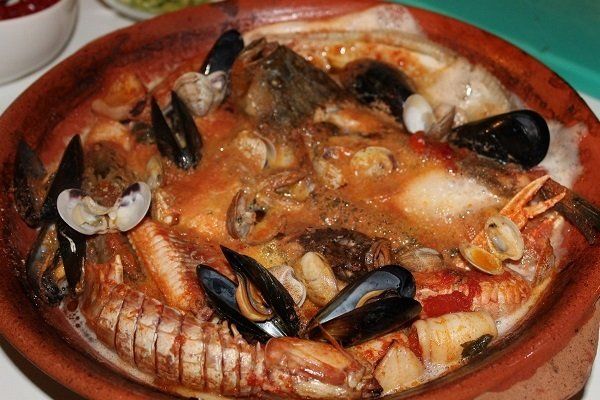
One of the best-known coastal dishes is brodetto di pesce, a traditional fish stew prepared with different varieties of fish and seafood.
There is no single recipe shared by the entire coastline. Preparations vary from one town to another, and the versions associated with Pescara and Vasto are particularly well known.
Brodetto has its roots in the cooking of local fishermen, who used the fish available from their daily catch. Today, it is an important part of the region's seafood tradition.
To understand this side of Abruzzo, it is worth exploring its fishing villages, harbours and coastal food culture.
6. Ventricina and local cheeses: The flavours of small producers
Some of the most memorable tastes of Abruzzo come from its traditional cured meats and cheeses.
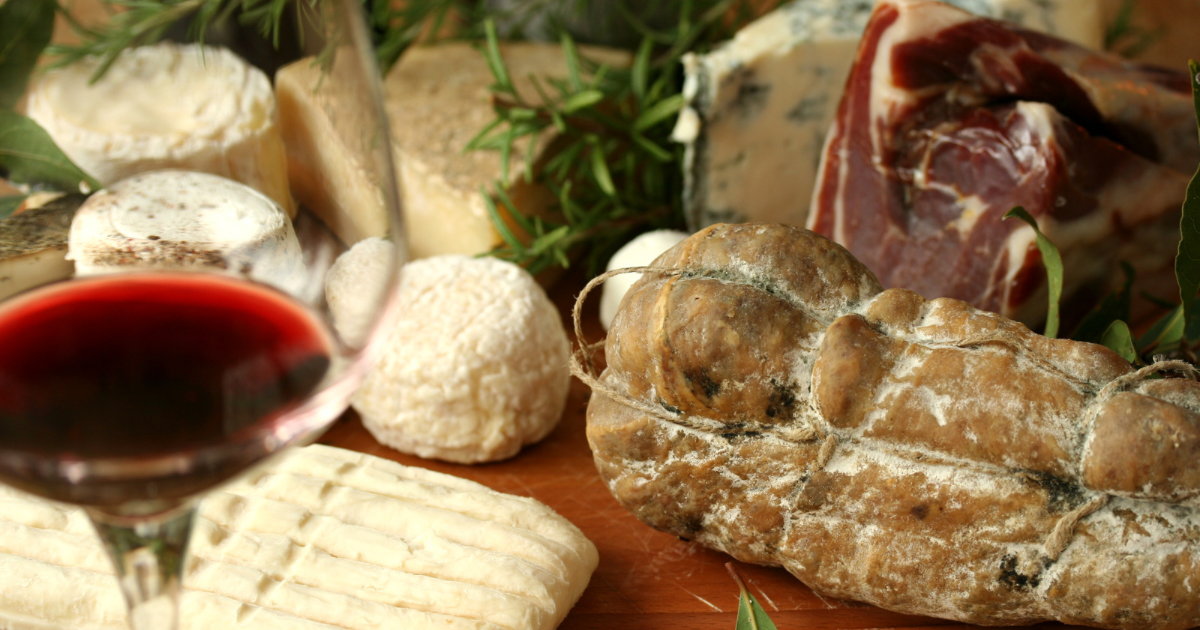
Among the best-known specialities is Ventricina del Vastese, a traditional cured pork salami associated with the southern part of the region. Its production is linked to local knowledge and carefully selected ingredients.
Cheese is equally important. The region's pastoral heritage has given rise to a variety of sheep's milk cheeses, including Pecorino di Farindola and Canestrato di Castel del Monte.
These products are more than ingredients: they represent the work of local producers and the relationship between agriculture, animal husbandry and the landscape.
Visiting a small dairy or meeting a producer can make the experience of tasting these foods much more meaningful.
7. Ferratelle: A sweet tradition made at home
Among Abruzzo's traditional sweets, ferratelle are particularly recognisable.
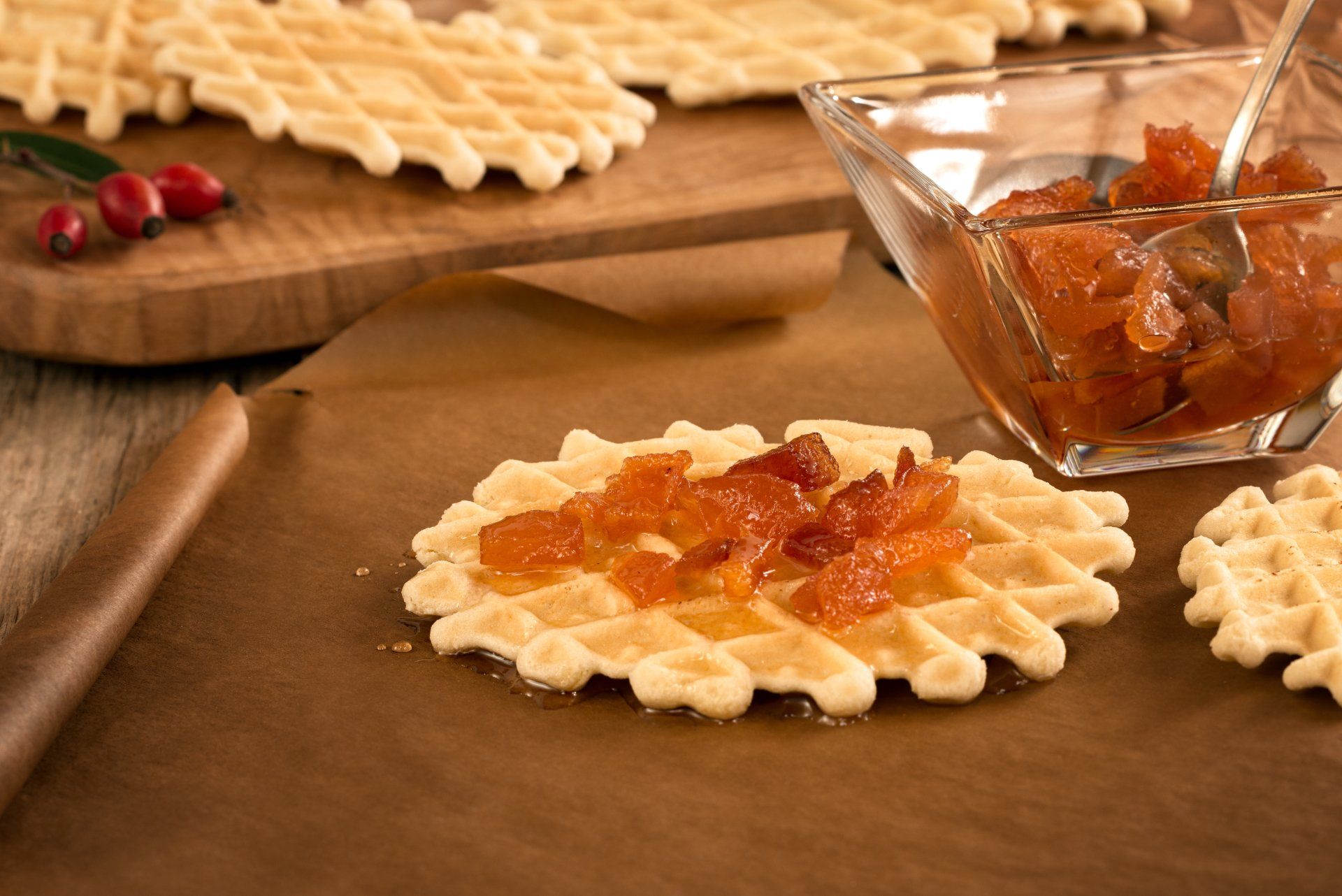
They are thin, crisp or slightly soft biscuits cooked between two heated metal plates, traditionally decorated with a patterned design. The shape and name of the plates can vary across local traditions.
Ferratelle are often enjoyed with coffee or as a simple homemade treat. Some versions are rolled while still warm and filled with jam or cream.
They are also known by other local names, including pizzelle and neole, depending on the area and family tradition.
Learning to prepare them is a lovely way to discover the everyday side of Abruzzese pastry-making.
8. Bocconotti: Small pastries with a rich filling
Another traditional sweet worth tasting is the bocconotto.
These small pastries are made with shortcrust pastry and filled with ingredients that can vary according to local recipes. In some traditional versions, the filling includes grape jam, almonds and chocolate.
Bocconotti are particularly associated with the pastry traditions of different Abruzzese towns, each of which may have its own interpretation.
Like many Italian regional sweets, they are closely connected to family celebrations, holidays and recipes passed down through generations.

Nature's Symphony
Faces of Humanity
Sands of Time
Beyond Boundaries
9. Extra virgin olive oil: An essential part of the Abruzzese table
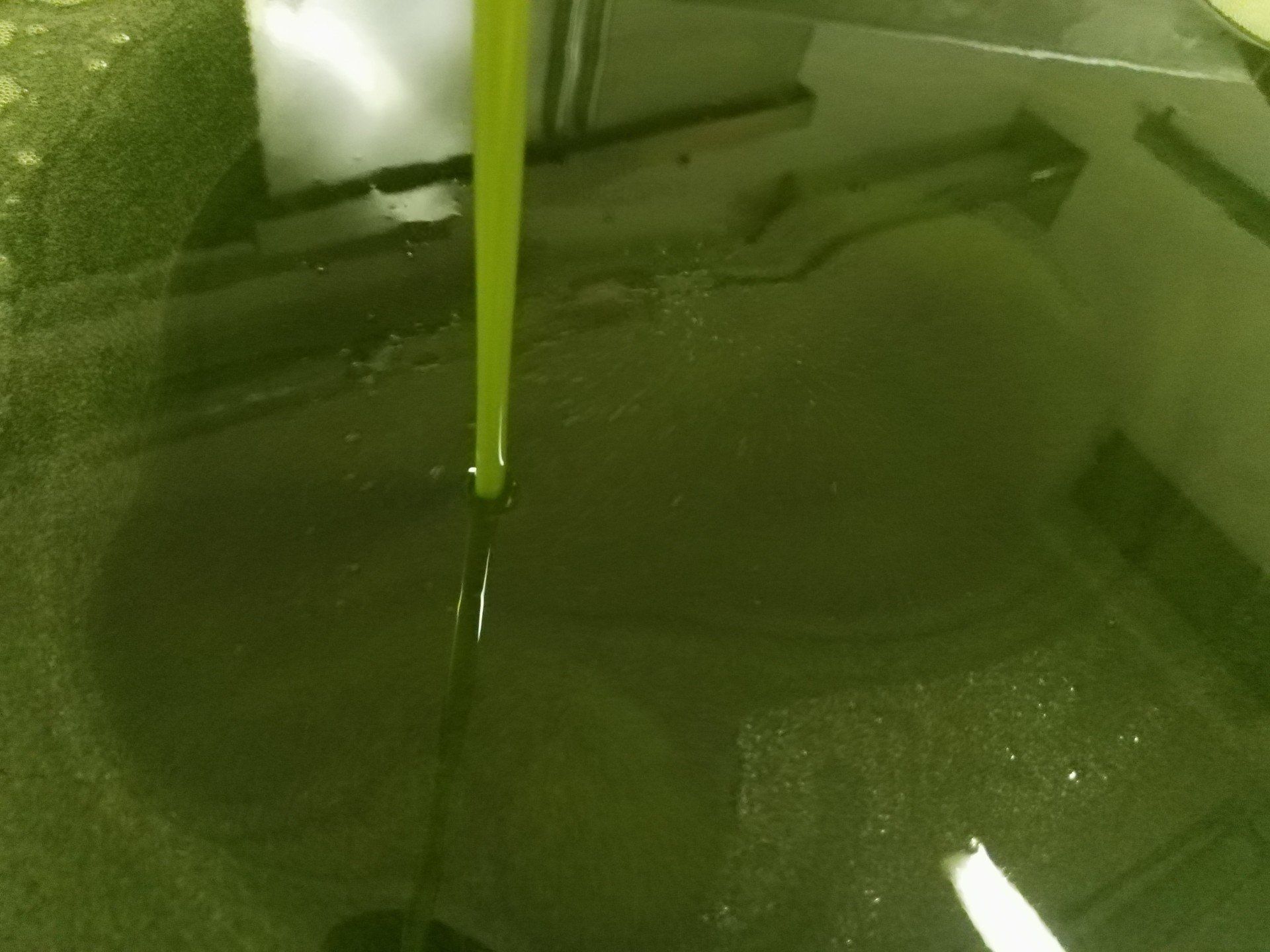
A journey through Abruzzo's food traditions would not be complete without its extra virgin olive oil.
Olive growing is an important agricultural activity in several parts of the region, particularly in the hills overlooking the Adriatic coast.
Abruzzo has three well-known PDO extra virgin olive oils: Aprutino-Pescarese, Colline Teatine and Pretuziano delle Colline Teramane.
Olive oil is not simply a condiment here. It is an essential ingredient in everyday cooking, used to dress vegetables, season bruschetta, prepare traditional recipes and bring out the flavour of local products.
Visiting an olive oil producer or taking part in a tasting offers the chance to understand how the variety of olives, the growing area and the production process influence the final result.
10. Abruzzo's traditional food is best discovered through its people
The dishes described above offer only a glimpse of Abruzzo's culinary heritage.
Every area has its own specialities, ingredients and traditions. A recipe may change from one village to the next, while the same dish can be prepared differently by two families.
That is what makes travelling through Abruzzo so interesting for food lovers.
A memorable food experience might mean preparing fresh pasta with a local host, tasting extra virgin olive oil at a family-run farm, visiting a winery or discovering how arrosticini are traditionally prepared.
These encounters allow visitors to go beyond the menu and meet the people who keep local food traditions alive.
Discover Abruzzo through authentic food experiences
At GustAbruzzo, we believe that food is one of the most meaningful ways to discover a destination.
We bring travellers closer to Abruzzo's culinary culture through experiences with local producers, families, chefs and wineries. From traditional cooking classes to food tours and tastings, each experience offers a different way to explore the region.
Here are some ideas for your trip:


Explore our Food Tours and Culinary Experiences and Traditional Cooking Classes to find an experience for your stay.
Come to Abruzzo with an appetite for discovery. The most authentic stories of this region are often found around the table.
About this guide
This article introduces some of the best-known dishes and food traditions of Abruzzo. Recipes, names and preparation methods can vary between local areas and families. The descriptions are intended as a guide to the region's culinary heritage, not as a claim that every dish is prepared in exactly the same way throughout Abruzzo.